It’s Chip Sealing Season… Here’s What Idaho Drivers Need to Know
There are actually 5 seasons in Idaho... Fall, Winter, Spring, Summer and Chip Sealing Season.

If you’ve driven just about anywhere around Meridian lately, chances are you’ve experienced it. Loose gravel, fresh oil, temporary speed limits and that little “ping” that makes all of us immediately look at our windshield and think, “Please don’t be a crack.”

Every August it seems like road crews are chip sealing somewhere, and every August social media fills up with the same questions.
“Why are they doing this?”
“Why don’t they just pave the road?”
“Who pays if a rock chips my windshield?”
Let’s answer those.

First… What Exactly Is Chip Seal?
Despite what some people think, chip seal isn’t the same thing as paving a brand-new road. Instead, it’s preventative maintenance.
Crews spray a layer of liquid asphalt on the existing pavement, spread small crushed rock over the top, then use heavy rollers to press those rocks into the asphalt. Over the next several days, traffic helps seat the rock before crews sweep away the loose gravel.
It isn’t meant to make the road perfectly smooth. It’s meant to protect the pavement that’s already there.

Why Does Idaho Chip Seal?
Think of chip seal like putting a protective coating on your deck or resealing your driveway before winter. It’s much less expensive to preserve a road that’s still in decent shape than it is to completely rebuild one after it starts falling apart.

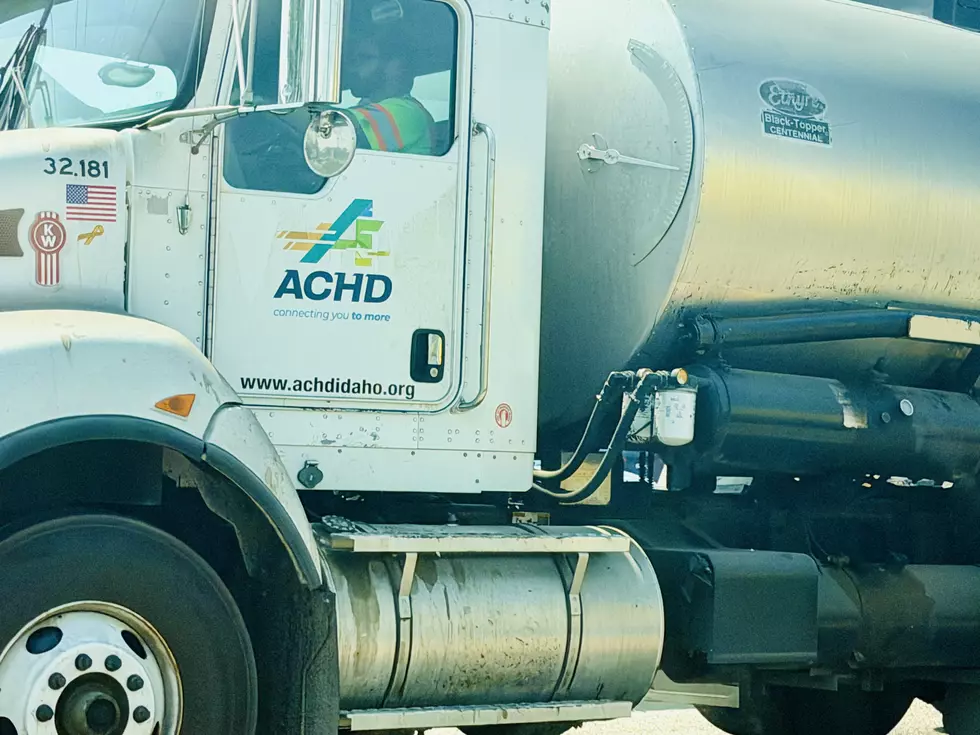
ACHD says the chip sealing helps seal small cracks before water gets underneath the pavement and protects roads from Idaho’s extreme summer heat and freezing winters.
It also improve traction, extends the life of a roadway by several years and saves taxpayers millions by delaying expensive reconstruction projects.
In other words, it’s one of those “pay a little now or pay a lot later” situations.

Why Does It Always Happen in the Summer?
There’s actually a good reason. Chip seal needs warm, dry weather for the asphalt to properly bond with the rock. If it's too cold... It won’t stick and if it's too wet, it won’t cure correctly. That’s why most of this work happens during Idaho’s hottest months.

Slow Down… Seriously
Those reduced speed limit signs aren’t there just to slow you down for fun.
Driving too fast through fresh chip seal can throw loose rock into other vehicles, damage the new surface before it has a chance to set and increase the risk of windshield chips.
The slower everyone drives, the better the finished road turns out.

So… My Windshield Got Hit. Can I Make ACHD or ITD Pay?
This is probably the biggest misconception and the answer is simple… no.
If the roadway is properly marked with warning signs, temporary speed limits and traffic control, agencies like the Ada County Highway District and Idaho Transportation Department are not responsible for damage caused by loose rock during normal chip seal operations.
The same is true for cities performing properly marked road maintenance.
That doesn’t mean there are never exceptions, but simply getting a rock chip while driving through an active chip seal project usually isn’t grounds for compensation.
That’s why transportation agencies encourage drivers to:
Things To Remember During Chip Sealing
Gallery Credit: Cory Mikhals
The Good News…
Nobody enjoys driving on fresh chip seal, but after the loose gravel is swept away and traffic helps set the surface, most roads return to normal while gaining years of additional life.

So the next time you’re tempted to grumble about another chip seal project, and trust me, I’ve done it too, remember it’s a whole lot cheaper than tearing up and rebuilding miles of road. Even if your windshield might disagree for a few days.
5 Reasons To Rethink Your Frustration With Road Workers
Gallery Credit: Chris Cardenas
More From 107.9 LITE FM