Is This Popular Activity REALLY Illegal on the Boise River?
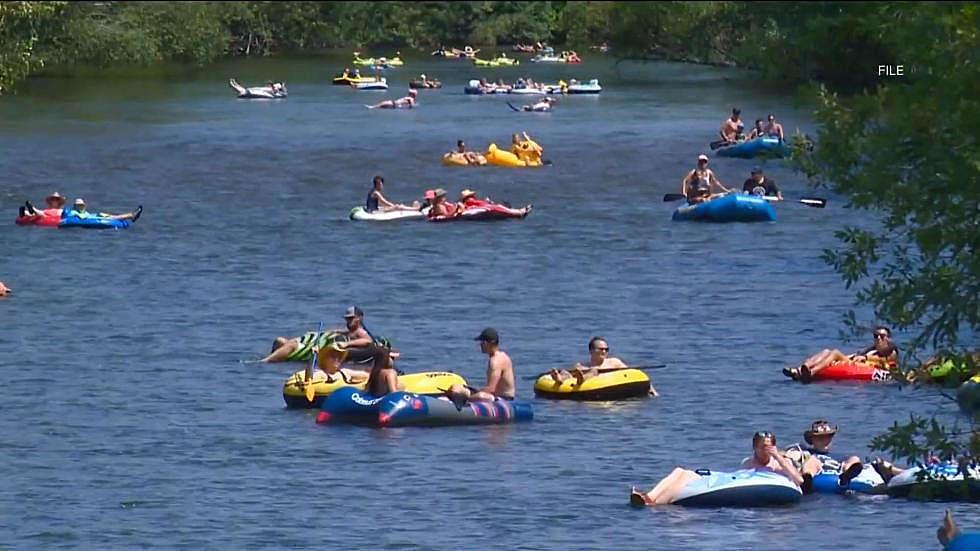
As we’re sitting down to write this, Boise’s looking at nearly two weeks straight where the high temperatures are in the triple digits or pretty close to them. Thousands of Idahoans and visitors alike will try to beat the heat by floating the Boise River.
But float season isn’t just for people piling into rafts, kayaks and tubes to enjoy the six-mile journey between Barber and Ann Morrison Parks. It’s also for people brave enough to take the plunge into the river’s chilly waters. At press time, Float the Boise shows the water temperature at 55.4 degrees.
READ MORE: Popular Activity Could Get Land Boise River Floaters In Jail
Most of them aren’t wading into the water from the beach at Barber Park. You’ll encounter them a few miles down the river, climbing over the Baybrook Ct Bridge, waiting to jump and soak unsuspecting floaters. The splash is usually followed by a bunch of giggles from friends still standing on the bridge.
It seems like harmless fun, but is bridge jumping into the Boise River legal?
Boise Bridge Jumping Rules Explained
It all depends on where you land. According to Boise City Code, bridge jumping is perfectly legal as long as you land at least 50 feet away from a raft or tube. Landing closer could result in a $100 fine if you’re busted.

Bridge jumping was decriminalized 13 years ago after a proposal by the Boise Police Department. Prior to 2012, bridge jumpers could face a misdemeanor. The police department didn’t feel like processing teens having fun through the juvenile justice system was the best use of their time or resources.
City Council eventually agreed and revised the city code to make jumping within 50 feet of floaters punishable by a fine instead of charges. Now you’ll only face charges if you’re found to be purposely trying to cause harm or injury to floaters.
Bridge Jumpers Could Face Multiple Citations

In addition to the infraction for landing too close to floaters, bridge jumpers also risk being cited for obstructing the Greenbelt and bridges that cross it. City code defines obstructing a path as:
Standing more than two people deep along the railing or side of any bridge or along the side of any bridge accessway. Alternatively, "obstruct" means to occupy all or such portion of the path, lane, sidewalk, or road, as to block or delay more than momentarily safe passage of another person or vehicle using the path, lane, sidewalk or road lawfully and carefully.
KEEP READING: The 10 Commandments of Boise, Idaho
Gallery Credit: Michelle Heart

More From 107.9 LITE FM